In 2008, O2Compost was hired by the Onondaga County Resource Recovery Agency (OCRRA) to help conduct a large scale pilot project using the Aerated Static Pile Method of Composting. The project took place at the Amboy Compost Facility in Camillus, New York (near Syracuse), and the objective was to evaluate the effectiveness of the ASP Method to process two separate feedstock mixes consisting of: 1) shredded yard debris; and 2) shredded yard debris mixed with municipal food waste.
The project was originally scheduled to begin in August 2008 but because of several administrative delays, it didn't get started until December of that year when average daily temperatures range between a low of 19°F and a high of 34°F. With significant help provided by OCRRA's newly hired Compost Supervisor, Mr. Greg Gelewski, pile construction was completed over the course of two days, just as the snow began to fall.
Despite the cold weather, pile temperatures increased quickly and exceeded the minimum time/temperature requirement of 131°F for three days for pathogen destruction. At these elevated temperatures, the composting process also destroyed parasites, weed seeds, and fly larvae - all without having to turn the compost pile. With this pilot project, we were also able to demonstrate that ASP Composting mitigated adverse impacts from odors and compost leachate. By all measures, the project was a success.
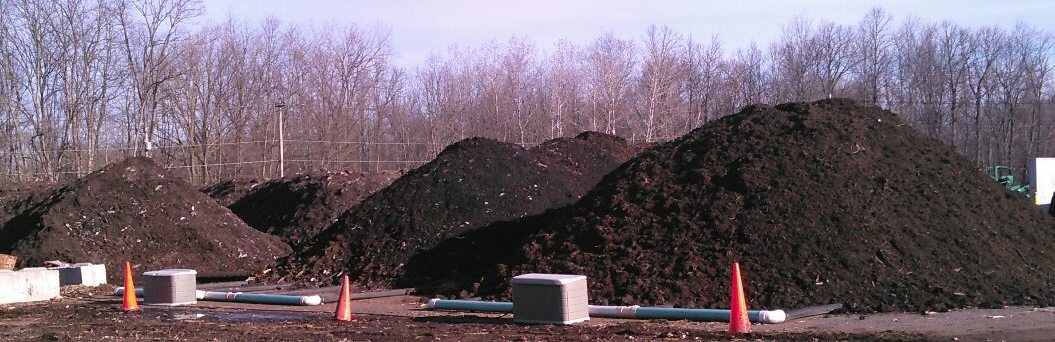
In February 2026, Greg contacted O2Compost to ask an unexpected question: "Can we compost sharks?"
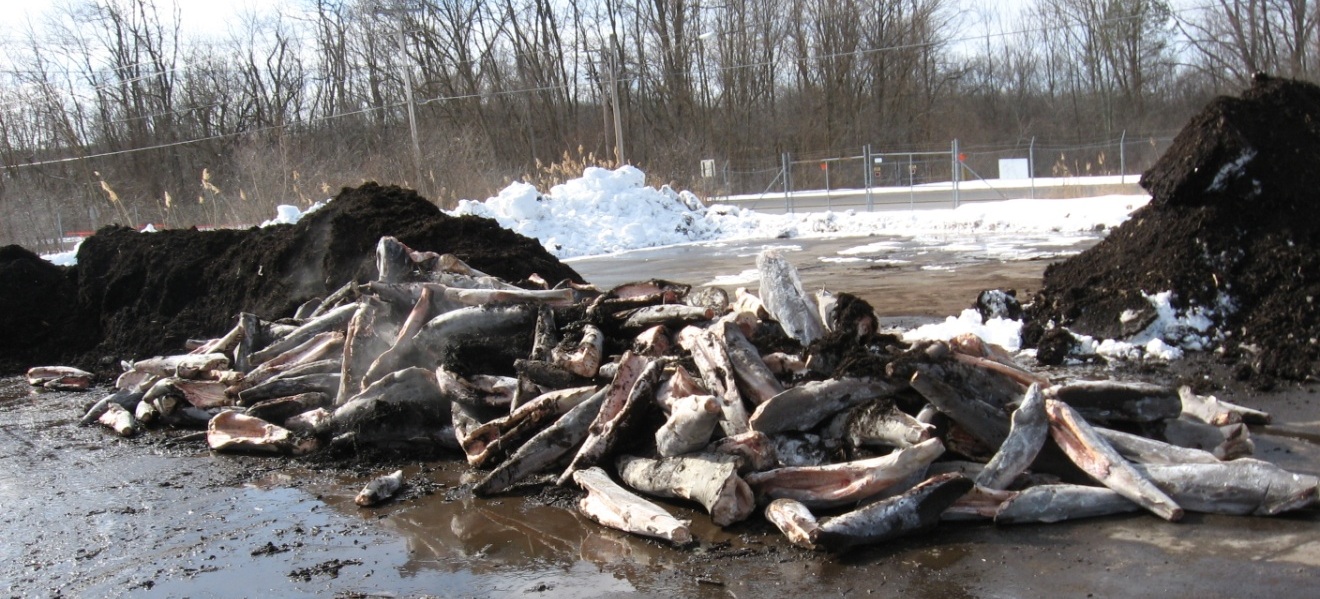
A local research facility has lost a contract that somehow involved the study of sharks, and they had 13,000 pounds of frozen shark bodies ti dispose of immediately. Peter's response was, "There's only one way to find out. Let's give it a try."
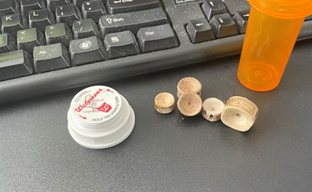 Greg and his team constructed a new Aerated Static Pile with all of the shark bodies and, despite outside air temperatures of -17°F and 144 inches of snow, it worked beautifully. The only thing that didn't break down were the shark vertebrae, several of which Greg keeps on his desk as a reminder of that episode in composting history.